

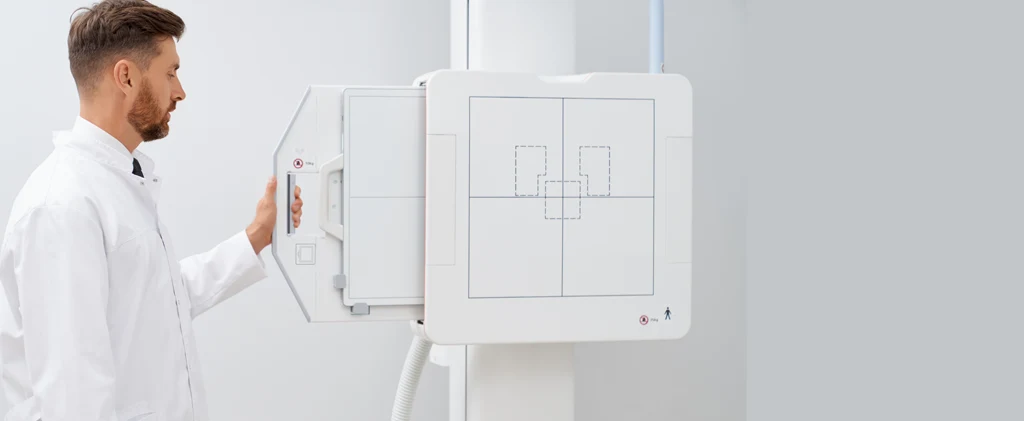
Diagnostic imaging plays a critical role in modern healthcare. From emergency departments to orthopedic clinics and diagnostic centers, the X-ray machine remains one of the most widely used diagnostic systems across the UAE. However, like any advanced medical device, X-ray systems can develop technical, electrical, mechanical, and software-related problems over time.
For healthcare facilities in Dubai, Abu Dhabi, and across the Emirates, downtime is more than an inconvenience — it affects patient care, compliance status, workflow efficiency, and revenue.
This guide explores the most common X-ray machine problems, their causes, practical solutions, and preventive strategies — with references to trusted international authorities and UAE regulatory bodies.
Why Preventive Maintenance is Critical in the UAE
Healthcare facilities in the UAE operate under strict regulatory oversight from authorities such as the Dubai Health Authority (DHA) and the Ministry of Health and Prevention (MOHAP). Regular equipment inspection, radiation safety compliance, and maintenance documentation are mandatory.
International best practices from organizations like the World Health Organization (WHO) emphasize structured maintenance programs to ensure safety and performance of diagnostic imaging equipment. Similarly, radiation protection guidelines from the International Atomic Energy Agency (IAEA) outline quality assurance standards for radiology departments.
Following these guidelines helps:
- Reduce unexpected breakdowns
- Improve image quality consistency
- Maintain radiation safety standards
- Extend equipment lifespan
- Ensure regulatory compliance
Common X-Ray Equipment Problems & Solutions
1. X-Ray Tube Failure
The Problem
The X-ray tube is the most critical component of an X-ray machine because it is responsible for generating the radiation used to produce medical images.
Since this process involves very high voltage and extreme heat, the tube gradually wears out with regular use. Over time, internal components may degrade, reducing the machine’s ability to produce consistent radiation output.
If the tube begins to fail, it can affect the entire imaging system. Hospitals may experience poor image quality, repeated system errors, or even complete system shutdowns, which can interrupt patient examinations.
Common Causes
- Frequent high-dose exposures can generate excessive heat inside the tube.
- Insufficient cooling time between scans prevents the tube from stabilizing.
- Filament deterioration occurs naturally as the filament ages.
- Anode surface damage may develop due to repeated electron impact.
- Heavy daily workload in busy hospitals accelerates wear.
Warning Signs
- Images appear inconsistent or underexposed
- The system frequently displays error messages
- Exposure results vary between scans
- The machine shuts down unexpectedly
Recognizing these signs early can prevent sudden equipment failure.
Practical Solutions
To extend the life of the X-ray tube and reduce unexpected downtime, facilities should follow these best practices:
- Perform the daily tube warm-up procedure recommended by the manufacturer
- Use appropriate exposure settings for different patient sizes
- Allow adequate cooling time between high-load examinations
- Schedule preventive maintenance checks with biomedical engineers
- Replace aging tubes before performance drops significantly
Preventive servicing is far more cost-effective than emergency repairs, especially in high-volume diagnostic centers.
2. Poor Image Quality
High-quality images are essential for accurate diagnosis. When image quality decreases, radiologists may struggle to interpret the results correctly, and patients may need to repeat examinations.
Poor image quality can occur due to technical issues, incorrect exposure settings, or calibration problems within the system.
Possible Causes
- Incorrect exposure parameters (kVp or mAs)
- Detector calibration errors
- Misaligned anti-scatter grids
- Patient movement during scanning
- Software processing issues
Even small changes in these factors can significantly affect image clarity.
Symptoms
- Grainy or noisy images
- Reduced contrast between tissues
- Blurred edges around bones or organs
- Unusual lines or artifacts in the image
These issues not only reduce diagnostic accuracy but can also slow down workflow if scans must be repeated.
Practical Solutions
- Perform regular detector calibration
- Ensure technologists follow proper exposure techniques
- Conduct routine quality control (QC) testing
- Update image processing software when needed
- Provide periodic training for radiology staff
Maintaining consistent quality control procedures helps ensure reliable imaging results across all examinations.
3. Digital Detector (DR Panel) Problems
Most modern radiography systems use digital flat-panel detectors, which convert X-ray radiation into digital images. These detectors enable faster imaging, lower radiation doses, and improved workflow efficiency.
However, they are also one of the most delicate and expensive components of a digital radiography system.
Common Issues
- Dead pixels appearing as tiny spots on images
- Communication errors between the detector and workstation
- Line artifacts across the image
- Complete failure to capture images
These issues can directly affect image quality and may require immediate technical attention.
Causes
- Physical impact or accidental drops
- Damaged cables or connectors
- Exposure to moisture or liquids
- Firmware or software incompatibility
Improper handling is one of the leading causes of detector damage in busy radiology departments.
Practical Solutions
- Regularly inspect detector cables and connections
- Perform routine calibration procedures
- Keep the detector clean and dry
- Update firmware when recommended by the manufacturer
- Train staff on proper handling techniques
Since detector panels are expensive to replace, preventive care is essential.
4. Generator Malfunction
The generator supplies the high voltage required for X-ray production. If the generator does not function properly, the machine cannot deliver consistent radiation output.
Generator problems may cause interrupted scans, exposure errors, or inconsistent image quality.
Common Symptoms
- Fluctuating radiation output
- Exposure interruptions during scans
- Error messages on the control console
- Unexpected system restarts
Possible Causes
These problems are often linked to electrical issues, including:
- Power fluctuations or voltage surges
- Faulty internal circuit boards
- Poor grounding in the electrical system
- Overheating due to poor ventilation
Electrical instability is a common challenge in older healthcare buildings.
Practical Solutions
- Install medical-grade voltage stabilizers
- Perform regular electrical inspections
- Ensure proper grounding of the system
- Replace damaged electronic modules promptly
A stable electrical supply is essential for maintaining consistent imaging performance. Electrical safety standards referenced by international healthcare engineering bodies highlight stable power supply as critical for imaging equipment longevity.
5. Mechanical Movement Failures
X-ray machines rely on multiple mechanical components such as tube stands, patient tables, and ceiling-mounted suspension systems. These parts allow technologists to position patients accurately for imaging.
When mechanical components wear out or malfunction, the system may become difficult to operate safely.
Common Problems
- Stiff or restricted tube movement
- Patient table elevation failure
- Unusual motor noise during positioning
- Loose arms or joints in the suspension system
Practical Solutions
- Lubricate moving components periodically
- Replace worn bearings or motors
- Inspect structural connections
- Schedule professional mechanical maintenance
Neglecting mechanical issues can compromise patient safety and imaging accuracy.
6. Software & PACS Connectivity Issues
Modern digital radiography systems depend heavily on software integration and communication with hospital imaging networks. Most systems store and transfer images using DICOM standards and connect to PACS servers for image archiving.
Common Issues
- System freezing during image processing
- Failure to transfer images to PACS
- DICOM communication errors
- Slow image loading times
Solutions
- Install regular software updates
- Check network configuration settings
- Ensure PACS compatibility with imaging systems
- Work closely with IT teams for troubleshooting
Always verify system compatibility before upgrading software to avoid workflow disruptions.
7. Overheating Problems
Heat buildup is a major factor affecting the performance and lifespan of X-ray equipment. During imaging procedures, the X-ray tube and other internal components generate large amounts of heat.
Why It Happens
- Continuous high-volume imaging
- Poor ventilation in the radiology room
- Insufficient cooling intervals between scans
- Inadequate air conditioning
Effects
- Temporary system shutdowns
- Damage to the X-ray tube
- Reduced equipment lifespan
Prevention
- Maintaining proper room temperature
- Ensuring adequate ventilation
- Monitoring daily imaging workload
- Following recommended exposure guidelines
UAE facilities should pay special attention to cooling systems, especially during peak summer months.
8. Radiation Leakage & Compliance Risks
Radiation safety is a critical responsibility for every healthcare facility operating X-ray equipment. Improper shielding or calibration can lead to radiation leakage, which may expose staff or patients to unnecessary radiation.
Healthcare facilities in the UAE must comply with regulations established by authorities such as the Dubai Health Authority to ensure safe operation of radiology equipment.
Potential Risks
- Failed safety inspections
- Regulatory penalties
- Increased occupational radiation exposure
Guidelines from the International Commission on Radiological Protection (ICRP) outline dose limitation principles and radiation protection standards for healthcare workers.
Practical Solutions
- Conduct annual radiation safety surveys
- Verify shielding in walls, doors, and control areas
- Monitor staff exposure using dosimeters
- Maintain calibration and maintenance records
Proper documentation ensures smooth inspections from DHA or MOHAP authorities.
Choosing the Right Technical Support Partner in the UAE
Healthcare providers should work with experienced medical equipment suppliers offering:
- Certified installation
- Preventive maintenance contracts
- Genuine spare parts
- Regulatory compliance assistance
- Technical training
Megamed support hospitals and clinics across the UAE with radiology system installation, maintenance, and upgrade solutions — helping facilities reduce downtime and stay inspection-ready.
Frequently Asked Questions
Typically every 3–6 months, depending on usage and manufacturer recommendations.
Usually between 3–7 years, depending on workload and maintenance.
Maintain service logs, radiation survey reports, calibration certificates, and staff training records.
Yes. Organizations like WHO, IAEA, and ICRP provide globally recognized safety and maintenance standards that align with UAE regulatory expectations.
Conclusion
Most common X-ray machine problems — from tube failure to software errors — are preventable with structured maintenance and professional servicing. For UAE healthcare providers, proactive equipment management ensures:
- Consistent diagnostic accuracy
- Radiation safety compliance
- Reduced downtime
- Extended equipment lifespan
By aligning with international best practices and local regulatory standards, clinics and hospitals can maintain safe, efficient, and high-performing radiology departments.